ADU Planning Built Around Marina del Rey Homes
ADU planning in Marina del Rey works best when the design starts with the property itself: the lot shape, the existing home, the garage condition, privacy goals, and how the new space will be used every day. The area includes coastal living, compact property conditions, and rental-oriented demand, which means successful projects need more than a copied floor plan. ADU planning should consider privacy, parking, utility routing, outdoor space, and the lifestyle goals of owners near the marina, Venice border, and nearby Del Rey.
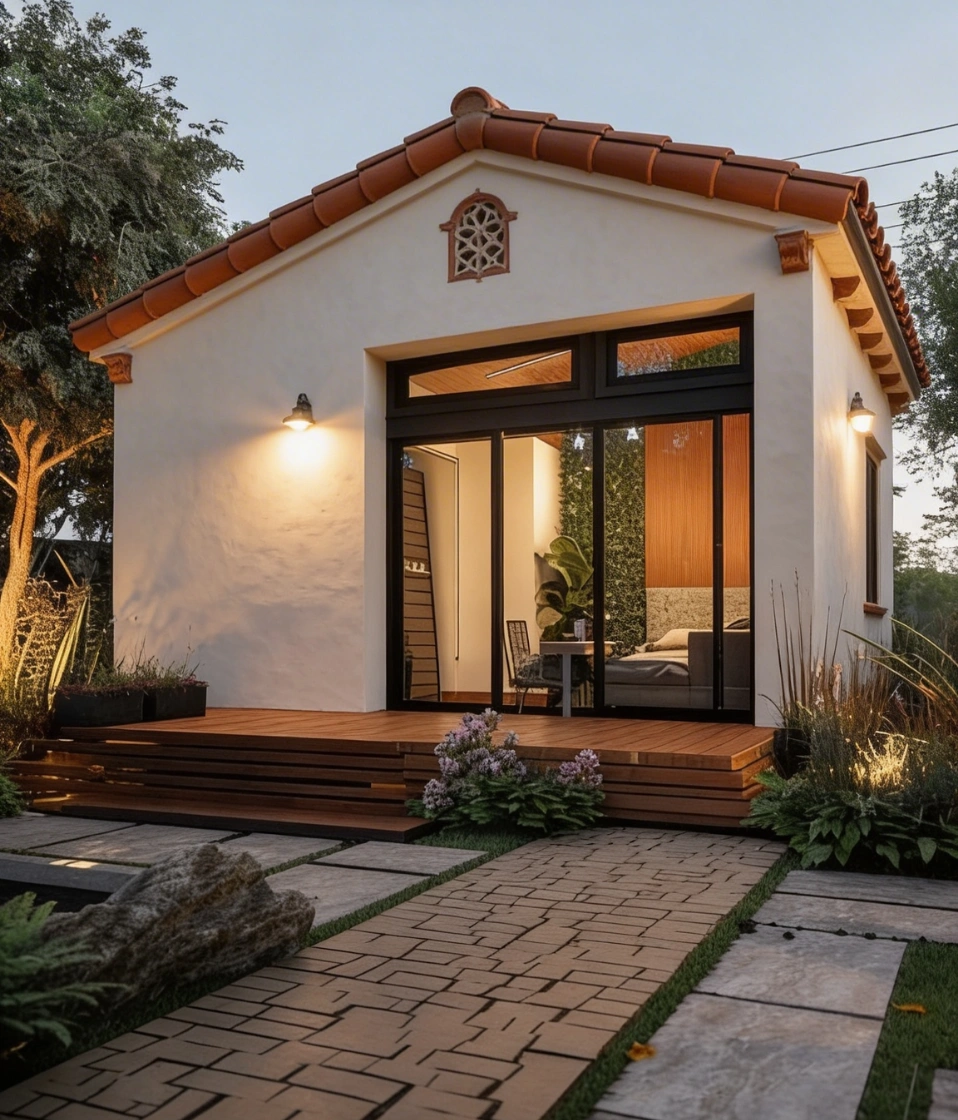

Property First Planning
Reviewing access, utilities, setbacks, and yard use before committing to an ADU direction.
Permit Path Guidance
Helping owners prepare for zoning review, plan checks, and local approval steps.
Livable ADU Layouts
Creating compact rooms that feel comfortable, private, and useful for daily life.
For Marina del Rey homeowners, space-smart ADU planning can create flexible space for relatives, guests, rental plans, or a dedicated work area. The right process starts with feasibility, then moves into design, permits, contractor coordination, and construction details that match the property.
Ready to turn unused space into something practical?
ADU Questions for Marina del Rey Homeowners
Questions about ADUs in Marina del Rey usually begin with zoning, cost, permits, garages, and what type of unit makes sense. These answers give homeowners a practical starting point before speaking with a contractor-network professional.
Yes. An ADU is generally designed as an independent living unit, while a room addition expands the main residence without creating a separate dwelling.
- ADUs typically include living, sleeping, cooking, and bathroom functions.
- The right choice depends on privacy goals, budget, and property use.
Many owners plan ADUs for rental flexibility, but rental use should be reviewed with current local rules, property goals, and long-term management plans.
- Legal rental use depends on approved permits and local requirements.
- Good layouts help make small rental spaces more comfortable.
A strong ADU design uses space efficiently, brings in light, protects privacy, and keeps storage, kitchen, bathroom, and entry areas practical.
- Small details can make compact units feel more livable.
- The design should fit the main home and the surrounding yard.
Some hillside properties can support ADUs, but slope, access, drainage, retaining needs, and construction logistics must be reviewed carefully.
- Foothill and view lots often need more site-specific planning.
- A feasibility review helps identify challenges before design work advances.
After the initial discussion, the next step is usually reviewing property information, comparing ADU options, and preparing a practical direction for design and permits.
- Owners can compare detached, attached, junior ADU, and garage conversion routes.
- The goal is a clearer plan before major construction commitments.